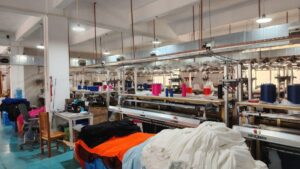
Wholesale bandage dress orders fail at a predictable point: after the sample is approved and the deposit is paid.
The sample looked right, the price was competitive, and the bulk shipment arrives — then the problems start.
Skipped spec checks before the purchase order is signed are the root cause in almost every case.
The top mistakes buyers make with wholesale bandage dresses in 2026 are placing bulk without a written GSM target, leaving fiber content unlocked, approving a zipper that was never tested under stretch, shipping without confirming the wash care label, and skipping a recovery test on the sample.
Each of these is a purchase order omission, not a factory accident.
Locking all five as numbered spec lines before signing stops the substitution before it happens — request a written spec sheet from any supplier before placing a bulk bandage order.
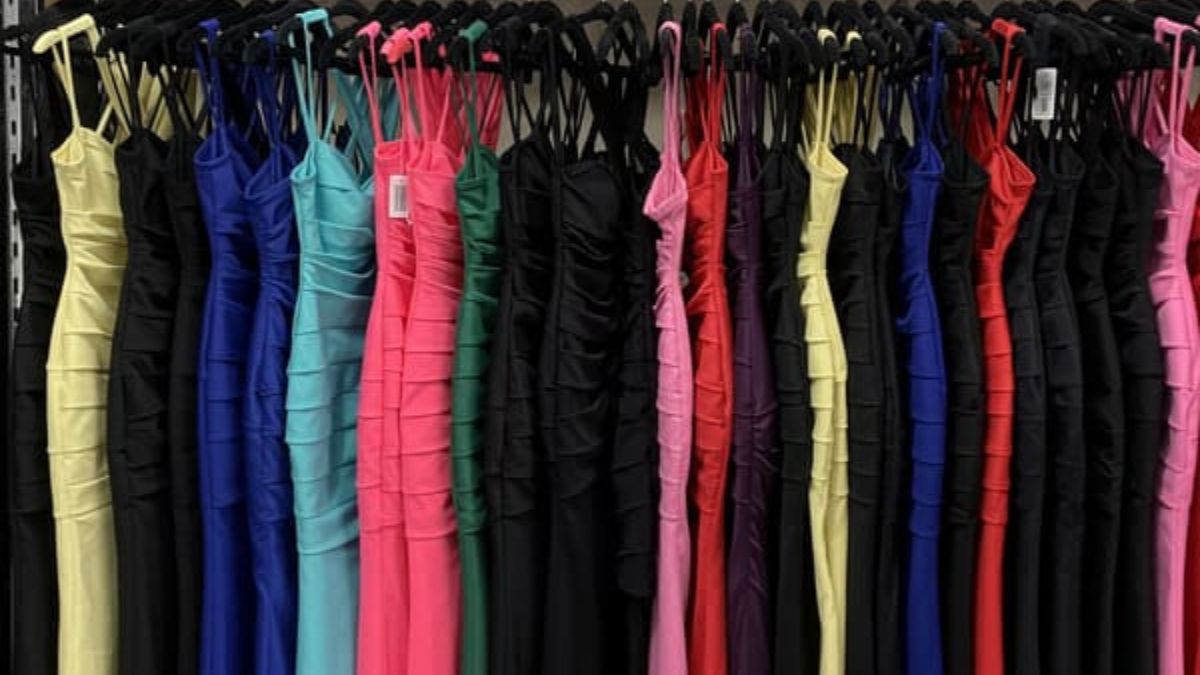
These five omissions follow a consistent pattern: a buyer approves a silhouette instead of a numbered spec, and the second shipment follows the PO, not the memory of the first sample.
Understanding why visual approval is structurally insufficient is the necessary starting point before examining each mistake in detail.
Why Do Wholesale Bandage Dress Orders Fail After the Sample Looks Perfect?
A sample that photographs well is not a spec sheet.
Wholesale bandage dress orders break down because buyers lock in a look without locking in the numbers that make that look repeatable at bulk scale.
Before reviewing the five mistakes, verify that your current PO contains at least one measurable spec line — if it only says "bandage fabric," the order is already at risk.
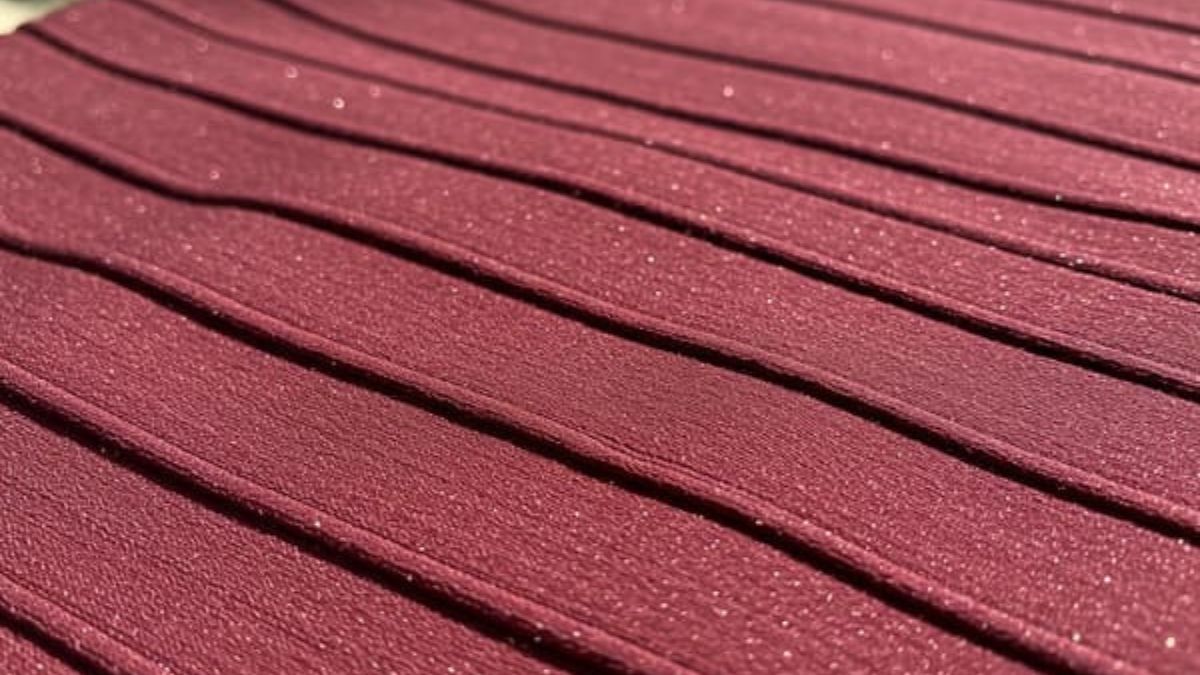
The three H3s below explain why photo-ready samples hide missing numbers, why high-tension bandage garments punish skipped checks harder than regular knits, and what each spec miss costs at retail.
Photo-Ready Samples Hide Missing Numbers on the Purchase Order
A hanging sample can look sculpted on camera while the numbers that make it repeatable are still completely unwritten.
- GSM, fiber mix, zipper grade, and care text are invisible in a product photo — a 360 gsm rayon sample and a 220 gsm polyester substitute can look identical on a hanger and in a flat lay.
- Trading quotes often price a thinner cloth than the approved sample, then substitute after deposit if the PO only says "bandage fabric" with no weight or composition requirement.
- Buyers who approve a look instead of a numbered spec are buying a silhouette, not a repeatable wholesale bandage dress — the factory will produce to the PO, not to the buyer’s memory of the sample.
- 2026 restock speed makes this worse: the second shipment follows the written PO, not the first delivery, so an unlocked spec compounds across every reorder.
High-Tension Bandage Garments Punish Skipped Checks Harder Than Regular Knits
Bandage dresses are high-tension weft knits that stay under continuous stretch at the waist, hip, and zipper — failure modes that are invisible on the hanger become visible after one night of wear.
- A light dress zipper, low GSM, or low-recovery cloth may survive a five-minute try-on and still bag, burst, or go sheer after one evening out, because the garment is under sustained tension in wear, not at rest.
- Customer complaints cluster on shape loss, broken zippers, and wash damage — these are spec misses, not styling misses, and they trace directly back to what was or was not written on the PO.
- Boutique and e-commerce buyers absorb those failures as refunds, bad reviews, and unsellable dead stock that a spec-locked order would have prevented.
Cost Snapshot of the Five Wholesale Spec Misses
The table below maps each skipped check to what typically arrives in bulk and what that substitution costs at retail.
Each row represents a wholesale bandage dress order that looked correct at sample approval and failed at the point of sale.
| Buyer Mistake | Spec Left Unlocked | What Often Arrives in Bulk | Retail Damage |
|---|---|---|---|
| Unconfirmed GSM | No weight target on PO | 220–280 gsm lot instead of 360 gsm sample | Sheer panels, limp waist control, shape loss after one wear |
| Unlocked fiber content | No viscose/nylon/spandex percentages | Polyester-heavy knit that copies the stripe pattern | Slick hand-feel, static, shoppers read it as cheap |
| Untested zipper | No stretch-test requirement | Light dress zipper not rated for bandage tension | Zipper bursts or splits at hip after first use |
| Unconfirmed wash care label | No label text or symbol requirement | Generic "machine wash warm" or missing label | Customer-damaged returns, retailer liability |
| Untested recovery | No pass/fail recovery note on sample report | Low-recovery cloth that bags after one sitting | "The dress went loose" — unsellable after first wear |
Locking each of these five lines before signing converts a visual approval into a repeatable wholesale spec.
What Are the Top 5 Mistakes Buyers Make with Wholesale Bandage Dresses in 2026?
The five mistakes below are not quality-control failures — they are purchase order omissions that happen before bulk production begins.
Each one is a spec line that was left blank, a test that was skipped on the sample, or a label that was never confirmed before cutting.
Work through each mistake against your current PO before the next bulk bandage order ships.
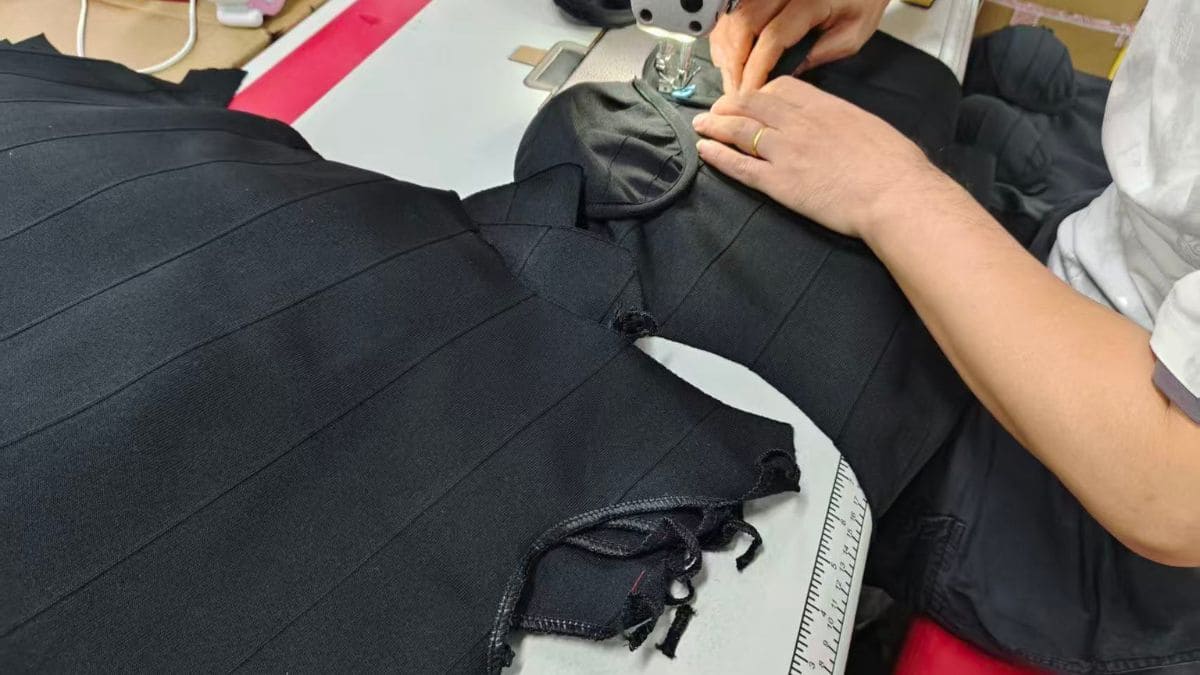
The five H3s below expand each mistake in the order buyers typically encounter them: fabric weight, fiber content, zipper, wash care label, and recovery.
Mistake 1 — Placing Bulk Without a Written GSM Target
GSM, or grams per square meter, is the single most substituted spec in wholesale bandage dress orders because it is invisible in photos and easy to change after deposit.
- "Heavy" or "premium" on a supplier quote is not a spec; wholesale bandage dresses need a GSM number on the PO, commonly in the 350–360 gsm range for true sculpting cloth — anything below 300 gsm will not hold an hourglass line under sustained wear.
- Buyers should cut a 10 × 10 cm swatch from the approved sample, weigh it on a postal scale, and convert to bandage dress fabric GSM before signing — this takes under two minutes and creates a verifiable baseline.
- Unconfirmed GSM is how a 360 gsm sample becomes a 220–280 gsm bulk lot that photographs identically and feels cheap on the body; the substitution is undetectable until the garment is worn.
- Low GSM shows up as sheerness under bright light, limp waist control, and a dress that cannot hold its shape after one wear — all of which generate returns and negative reviews.
- Lock GSM as a pass/fail line on the PO, not as a fabric-science discussion; if the mill cannot hit the target weight, the order is a different product and should be priced and approved as such.
Mistake 2 — Leaving Fiber Content Unlocked on the Order Sheet
Fiber content determines hand-feel, recovery behavior, and how the garment wears against skin — and it is routinely omitted from wholesale purchase orders.
- If the PO does not name viscose/rayon, nylon, and spandex percentages, bulk can be swapped to a polyester-heavy knit that copies the stripe pattern but not the hand-feel or recovery profile.
- A rayon-rich herve leger style bandage dress cloth — such as 75% viscose / 15% nylon / 10% spandex at 360 gsm — feels cool, dense, and skin-true; a polyester stand-in feels slick, static, and less comfortable, which shoppers read as cheap regardless of the visual design.
- Ask for the fiber composition on both the fabric roll ticket and the sewn-in care label, then match those numbers to the approved sample before paying the deposit.
- A burn or melt check on a hidden seam allowance is a fast buyer-side test: rayon chars and smells like burning paper; polyester melts and smells like plastic — if a "rayon bandage dress" smells like plastic, the fiber has been substituted.
- Write fiber percentages as a contract line so "high quality bandage dress" cannot be reinterpreted after deposit — vague quality language is not enforceable; a specific composition is.
Mistake 3 — Approving a Zipper That Was Never Tested Under Stretch
Bandage dresses place more lateral tension on a zipper bandage dress than almost any other garment category, because the fabric is under continuous stretch at the hip — a zipper that passes a static try-on can still fail in wear.
The table below gives buyers a sample-side zipper inspection card so a dress zipper is not approved on appearance alone.
| Zipper Check on the Sample | Pass Signal for Wholesale Bandage Dresses | Fail Signal Buyers Still Miss | What to Write on the PO |
|---|---|---|---|
| Open-and-close cycles | Smooth operation for 20+ cycles with no snagging or tooth skipping | Stiff pull on first use, assumed to loosen with wear | "Zipper must operate smoothly for minimum 20 open-close cycles before approval" |
| Zip operation while hip is stretched | Slider moves freely when fabric is stretched to wearing width | Tested only at rest; passes static but binds under tension | "Zipper must be tested while garment is stretched to wearing dimensions" |
| Tape and tooth scale vs. garment tension | Tape width and tooth gauge rated for high-tension knit; no tape puckering | Light dress zipper used; tape too narrow for bandage fabric weight | "Specify zipper grade: heavy-duty tape, minimum tooth gauge suitable for 350–360 gsm knit" |
| Top stop and bottom stop under pull | Both stops hold without deforming when zipper is pulled firmly | Bottom stop bends or top stop separates under moderate pull | "Top and bottom stops must hold under firm pull test; document result on sample report" |
| Zipper join to side seam | Seam allowance at zipper tape is flat, even, and does not pucker under stretch | Puckering or uneven seam at tape join, visible only under stretch | "Zipper tape join to side seam must be flat and pucker-free when garment is stretched to hip measurement" |
A zipper bandage dress that passes all five rows on the sample is significantly less likely to generate burst-zipper returns in bulk.
Mistake 4 — Shipping Bulk Without Confirming the Wash Care Label
A missing, generic, or incorrect wash care label on a rayon-spandex bandage dress is a wholesale defect, not a packing afterthought — and it is one of the most common omissions in bulk orders.
- Confirm the bandage dress wash care instruction before cutting begins: the correct guidance for a viscose/nylon/spandex sculpting knit is cold hand wash or dry clean, no tumble dry, lay flat to dry — that text must match the actual cloth the factory will sew, not a generic template.
- Buyers who skip this check inherit customer-damaged returns when shoppers machine-wash a sculpting knit at warm temperature, causing the spandex to degrade and the garment to lose shape permanently.
- Destination language, fiber names, and care symbols should be proofed on a pre-production label sample before bulk cutting — discovering the wrong label in the carton after shipment means a recall or a relabeling cost.
- The wash care label confirmation is a pre-bulk check, not a private-label design task — the only requirement here is that the label exists, is accurate for the fiber system being used, and is sewn in before the shipment leaves the factory.
Mistake 5 — Skipping a Recovery and Shape-Retention Test on the Sample
Elastic recovery is the single most predictive test for whether a wholesale bandage dress lot will hold its shape in wear — and it takes under two minutes to perform on the approved sample.
- Stretch the waist and hip panels to wearing width, hold for 30–60 seconds, release, and check whether the panel returns to its original dimensions instead of staying bagged or elongated.
- A usable buyer benchmark is ≥90% elastic recovery — a sample that stays stretched after a 30-second hold will arrive as a wholesale lot that loses shape after one sitting, regardless of how good the zipper and color look.
- Hang the sample overnight after the stretch test and re-measure waist, hip, and length against the size chart to catch growth and torque that develop under sustained tension.
- Recovery failure is what customers describe as "the dress went loose" or "it stretched out" — the complaint reads like a fit issue but traces directly to a low-recovery fiber system or insufficient bandage dress spandex content.
- Put a recovery pass/fail note on the sample report so bulk cannot ship on hanger appearance alone; a garment that passes the visual check but fails the stretch test is not an approved wholesale bandage dress.
How Can Buyers Lock Specs Before a Wholesale Bandage Dress Purchase Order?
The five mistakes above each correspond to a blank line on a purchase order.
Filling those lines before signing converts a visual approval into a repeatable, enforceable spec that the factory must match in bulk.
The three H3s below provide a copy-ready PO line table, sealed-sample rules, and a fifteen-minute incoming check buyers can run when the shipment arrives.
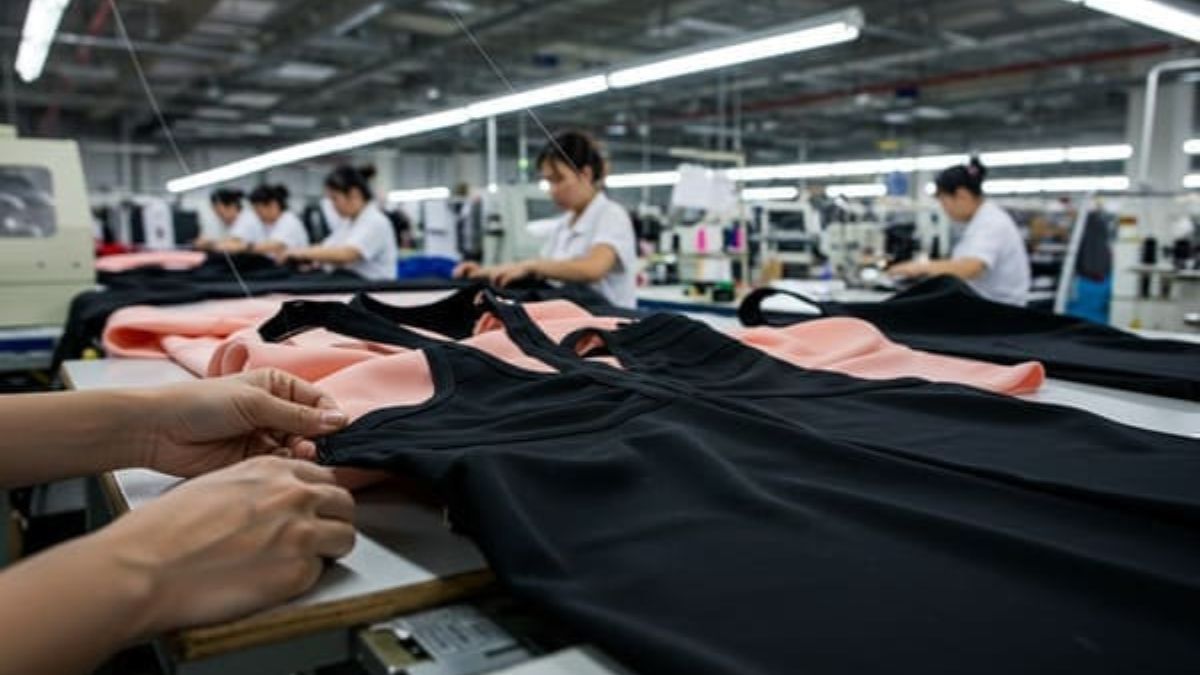
Use the minimum spec lines in H3-1 as a starting template, then apply the sealed-sample rules in H3-2 to keep bulk honest across every reorder.
Minimum Spec Lines That Must Appear on the Wholesale PO
The table below converts each of the five mistakes into a copy-ready purchase order line.
Each row is a pass/fail requirement, not a preference — if the factory cannot meet the line, the order requires renegotiation before deposit.
| PO Line to Lock | Example Buyer Language | Why This Line Stops a 2026 Wholesale Miss |
|---|---|---|
| GSM target | "Fabric weight: 350–360 gsm. Bulk lot must be within ±10 gsm of sealed sample. Measured by 10×10 cm swatch weight." | Prevents substitution of 220–280 gsm polyester cloth after deposit |
| Fiber content percentages | "Fiber composition: minimum 70% viscose/rayon, 10–15% nylon, 8–10% spandex. Must match sewn-in label and fabric roll ticket." | Prevents polyester-heavy swap that copies the stripe but not the hand-feel |
| Zipper grade and test method | "Side zipper: heavy-duty tape and tooth gauge rated for 350–360 gsm knit. Must pass 20-cycle open-close test and stretch-operation test at hip wearing width." | Prevents light dress zipper that bursts under bandage tension |
| Wash care label text | "Sewn-in care label required: cold hand wash or dry clean only, no tumble dry, lay flat to dry. Label must be present and accurate before bulk ships." | Prevents missing or incorrect label that generates customer-damaged returns |
| Recovery / shape-retention acceptance | "Elastic recovery ≥90% after 30-second stretch hold at waist and hip. Pass/fail result must be documented on sample report before bulk approval." | Prevents low-recovery lot that loses shape after one wear |
| Sealed sample reference number | "Bulk production judged against sealed sample [reference number], held at buyer’s office and factory. Any substitution of GSM, fiber, zipper, or label restarts approval." | Prevents "close enough" substitution on reorders |
Sealed-Sample Rules That Keep Bulk Honest
A sealed sample is the physical contract between the approved sample and the bulk shipment — without one, every reorder is a new negotiation.
- Keep one signed, dated, sealed sample in the buyer’s office and one at the factory; bulk is judged against that physical garment, not against memory, photos, or verbal descriptions.
- Photograph the GSM swatch weight on a scale, the zipper close-up, the care label, and the fiber roll ticket in the same dated sample file before paying the deposit — this file is the evidence record if bulk deviates.
- Require a pre-production piece cut from bulk fabric, not from leftover bandage dress pre-production sample cloth, when the mill changes yarn lots between orders; a new yarn lot can shift GSM and recovery even when the style is unchanged.
- Any substitution of GSM, fiber content, zipper grade, or care label must restart the approval process — "close enough" is the mechanism by which cheap bulk replaces the approved wholesale bandage dress across reorders.
- Use the sealed sample at incoming inspection: pull one size run from the first opened carton, re-test zipper operation, recovery, and label accuracy before the rest of the shipment is put away.
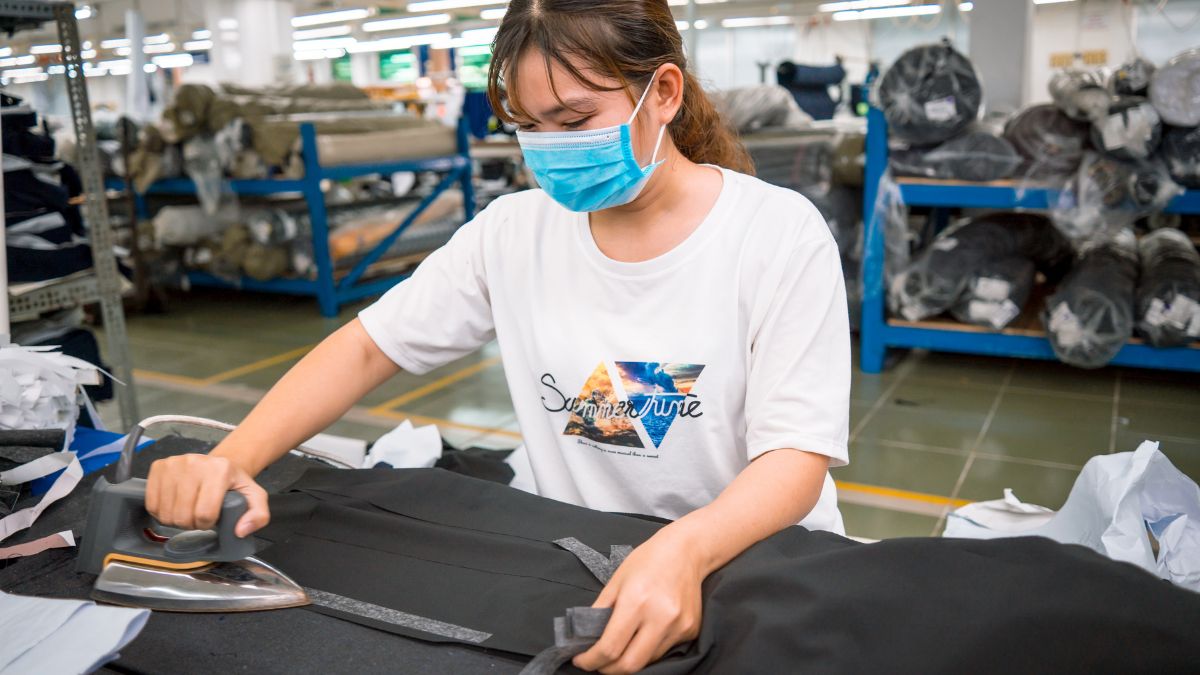
Incoming Checks Buyers Can Finish in Fifteen Minutes
These are buyer-side receiving checks after a wholesale bandage dress shipment lands — they are not a factory QC process and do not require specialist equipment.
- Weigh a 10×10 cm swatch from the first opened carton, read the sewn-in care label, and cycle the zipper 10 times before the rest of the shipment is put away — these three checks take under five minutes and catch the most common substitutions.
- Compare the fiber content on the sewn-in label with the PO spec; a mismatch is a lot-level fail, not a single-piece fail, and should trigger a hold on the entire shipment pending supplier response.
- Stretch one waistband from each size to wearing width, hold for 30 seconds, and check for bagging before steaming or hanging the rest — a lot that fails recovery at receiving will fail on the shop floor.
- Record all fails with photos tied to carton numbers so the claim is documented against spec, not against taste — a photo of a mismatched label next to the PO line is a supplier claim; a verbal complaint is not.
Verifying the Factory Behind the Quote
Spec locks only work if the seller actually owns knitting, heat-setting, and sewing; a trading desk can still swap cloth after a perfect sample.
For a detailed remote factory-credential audit, see our dedicated article on verifying a bandage dress manufacturer in China.
Conclusion
Wholesale bandage dress profit in 2026 comes from locking GSM, fiber content, zipper grade, wash care labels, and elastic recovery on the PO and sealed sample — not from approving a good-looking hanger shot.
The five spec lines above are the difference between a repeatable bulk order and an unsellable lot that looked right at sample approval.
Fangbei provides a numbered spec sheet and a sealed reference sample with every wholesale bandage dress order as standard.
Request our wholesale spec sheet template from our B2B bandage dress sourcing team or review our wholesale bandage dress production standards before placing your next bulk order.