
A product name that sounds like a statement can pull search traffic toward very different pages.
Before writing a single word about the design, the brand, or the construction, the confirmed listing behind the phrase "cuts given bandage dress" has to be identified and read on its own terms.
The cuts given bandage dress phrase points to a specific Fashion Nova product titled the No Cuts Given Bandage Midi Dress, available in black and brown, with a wired neckline, visible cut-outs, faux lace-up detail, and a shell of 90% polyester and 10% spandex.
The name is a pun, not a construction claim, and the dress itself has cuts.
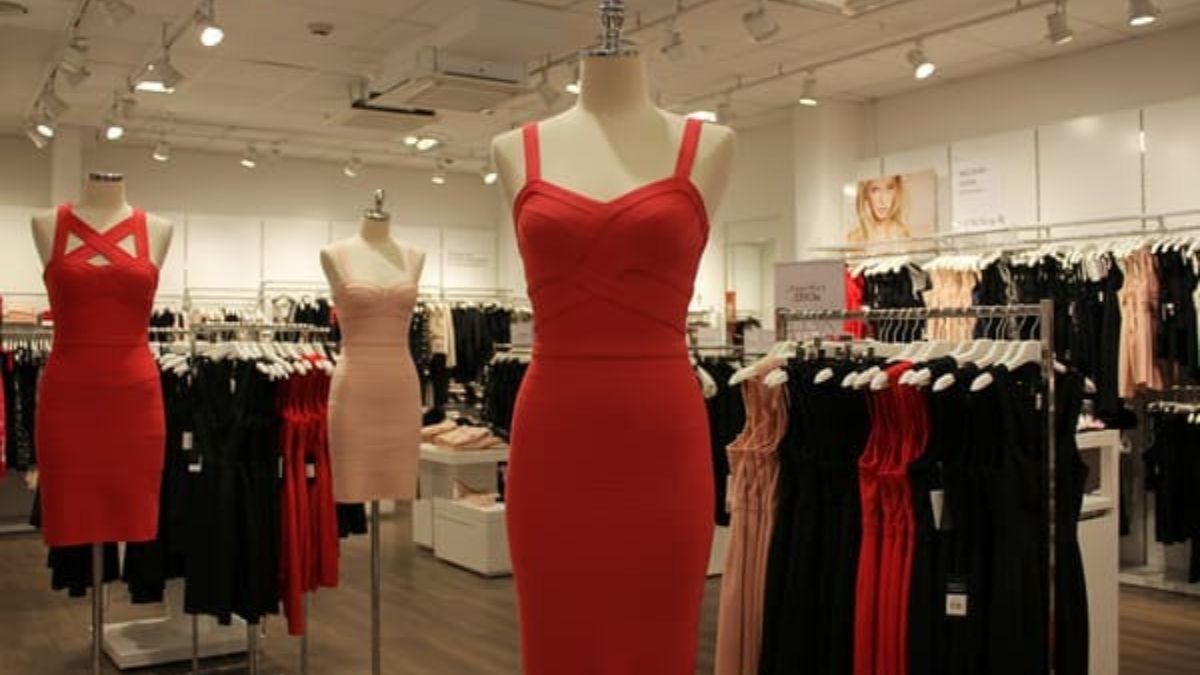
Confirming the exact listing before any visual or construction comment is the only way to avoid describing the wrong dress.
The sections below work through that confirmation, then read only what the public listing and images actually support.
What Does a Cuts Given Bandage Dress Search Actually Identify?
A search phrase built around a product name can return the original listing, reseller pages, and unrelated styles all on the same results page.
Treating any of those results as the confirmed object before checking the brand and title leads to a description of the wrong dress.
The phrase "No Cuts Given Bandage Midi Dress" is a Fashion Nova product title, not a category name, and the listing has to be matched to the Fashion Nova page before any visual or construction comment is made.
Colorway pages, reseller listings, and search snippets from other brands are checked against that title, not treated as separate designs.
Reading the name as a construction claim—seamless cloth, fewer panels, or a special knit—is the most common error a buyer or writer makes before looking at the actual listing.
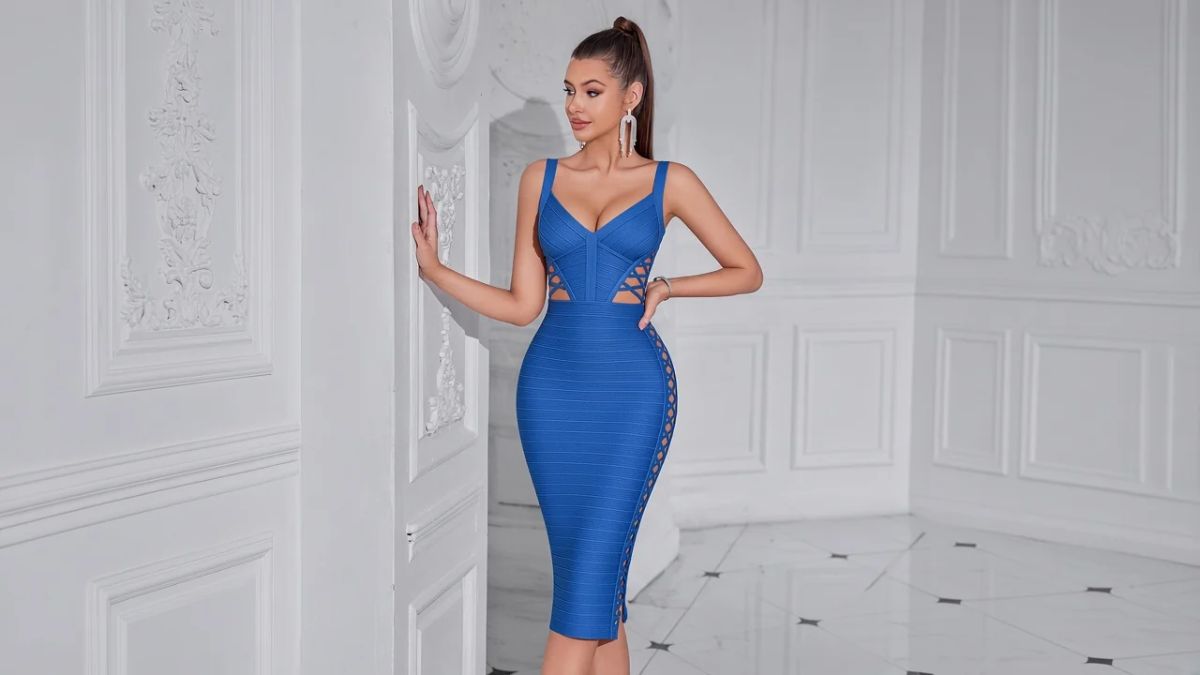
The Fashion Nova Midi Title Behind the Phrase
Confirming the source listing is the first step, and it requires more than recognizing the words.
- Public listings use No Cuts Given Bandage Midi Dress as a Fashion Nova product title, not as a descriptor for a general bandage category or a construction method.
- Some search results add Cut-Out to the same style name or surface it alongside unrelated styles; the writer must match photos and the brand name before treating any result as the confirmed dress.
- Black and brown colorway pages repeat the same product title and remain one reference unless the photos show a different silhouette or construction.
- Reseller and marketplace pages are checked against the Fashion Nova title and the confirmed listing details rather than treated as independent designs.
- The phrase is handled as a product name that includes an attitude pun—"no cuts given" meaning no mercy—not as a statement about how the cloth was cut or sewn.
Brand and Listing Conflicts That Have to Be Cleared First
A search for this phrase can surface pages from multiple brands. The table below shows what public evidence is needed before any analysis begins.
| Check | Public evidence to require | Status needed before analysis | What a match still does not prove |
|---|---|---|---|
| Exact product title | "No Cuts Given Bandage Midi Dress" printed on the listing page | Title confirmed on the Fashion Nova domain | That other pages using the same words describe the same dress |
| Brand printed on the listing | Fashion Nova shown as the seller, not a third-party reseller | Brand confirmed before any style detail is recorded | That the fiber or construction matches a different brand’s version |
| Colorways using the same name | Black and brown listed under the same style title | Both colorways confirmed as one reference | That a different colorway carries a different construction |
| Cut-out added in some titles | Some search snippets include "cut-out" in the title string | Confirmed as a feature of this dress, not a separate style | That the cut-out location or finish is fully described by the title |
| Other brand names appearing only in search results | A brand name appears in a snippet but not on the confirmed listing page | Not confirmed; treat as a separate product | Nothing about the Fashion Nova dress |
Three Meanings the Name Itself Cannot Prove
The pun in the title creates a specific reading risk that affects both buyers and writers.
- No Cuts Given does not mean the cloth was knitted seamless; the confirmed listing shows cut-outs, which are cuts by definition.
- The name does not mean the dress uses fewer panels than another bandage dress; panel count is not stated in the public listing.
- The name does not identify a knitting machine, gauge, or yarn-feed method; none of those details appear in the Fashion Nova listing.
- A smooth bandage surface on the body of the dress does not prove a minimalist construction or the absence of internal seams.
- Any claim about internal build waits for a physical sample or a stated listing fact, not for the wording of the title.
Which Visible Cuts Define the Confirmed Cuts Given Bandage Dress?
Once the listing is confirmed as Fashion Nova’s No Cuts Given Bandage Midi Dress, the next step is reading only what the public description and images actually show.
The listing states sleeveless, wired neckline, cut-outs, faux lace-up detail, hidden back zipper, and stretch—and those are the facts available for comment.
The visible design of this bandage midi dress is defined by its wired neckline, cut-outs on the body, faux lace-up detail, and a sleeveless silhouette, not by the absence of cuts the name implies.
Each of those elements is recorded as a listing fact, not as a construction claim.
The line between what the listing states and what a photo might suggest has to stay clear throughout any analysis of this dress.
Wired Neckline Against a Sleeveless Body
The neckline and sleeve treatment are the first visible design decisions on this dress.
- The listing states sleeveless, so both shoulders are bare and there is no strap, sleeve, or shoulder coverage described anywhere in the public copy.
- A wired neckline is listed as a feature, meaning the neckline edge has internal structure; this is recorded as a stated construction detail, not inferred from a photo.
- The wired neckline and the sleeveless cut together define the upper body silhouette of this specific dress, and neither is described as an optional variation.
- Neckline shape is recorded as stated in the listing, without redesigning the wire placement, neckline depth, or edge-finishing method.
- Front and back views are both required before the neckline line is called consistent across colorways.
Cut-Outs, Faux Lace-Up Detail, and Midi Body
The body of the dress carries the design elements that give the name its irony.
- The listing explicitly states cut-outs, so the dress visibly has openings despite the No Cuts Given name; the location of those cut-outs is confirmed from photos, not assumed from the title.
- A faux lace-up detail is listed as a separate feature from the cut-outs; it is recorded as a surface detail, not as a structural lacing system or a closure.
- The body is described as a bandage midi, and that length is a fact of this confirmed reference only, not a claim about the bandage midi dress category.
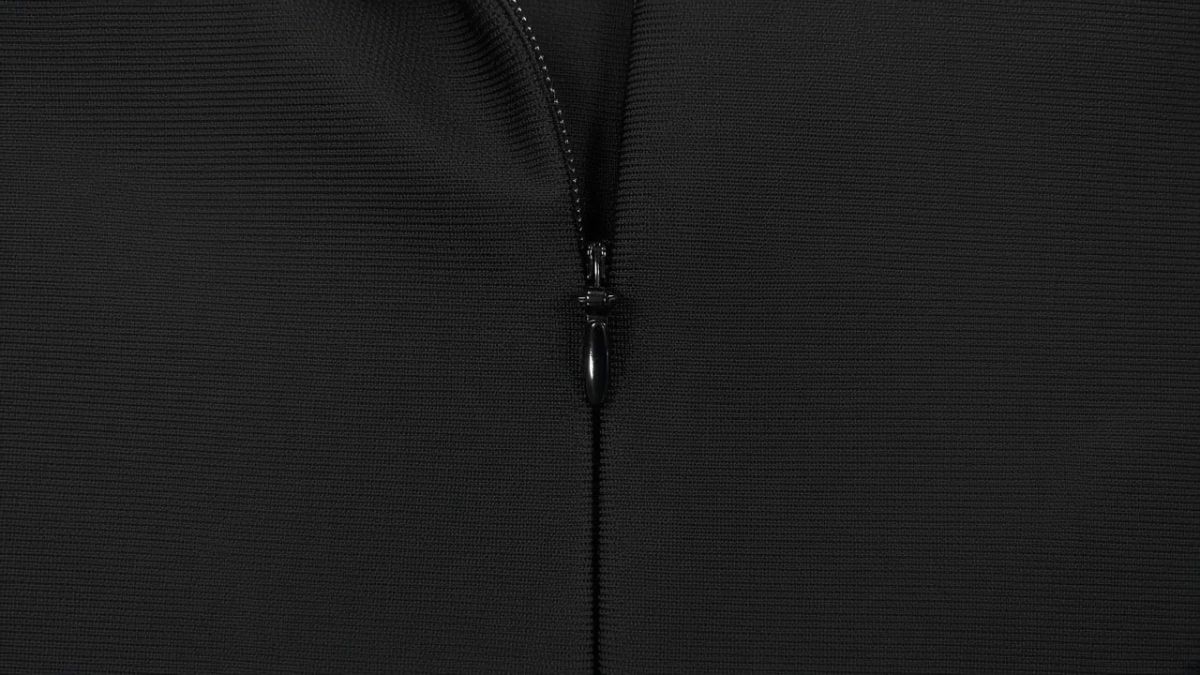
- The hidden back zipper is the stated closure; it is recorded as a functional element, not used to infer seam placement or panel construction.
- The stretch noted in the listing is a general performance descriptor, not a stated percentage or a measured extension value.
What the Pictures Support and What They Do Not
| Visible element | What listings and images support | Comment allowed in this article | Inference that stays blocked |
|---|---|---|---|
| Sleeveless silhouette | Stated in the listing; both shoulders bare in images | Record as a confirmed design feature | Strap count, shoulder seam placement, or armhole finish |
| Wired neckline | Stated in the listing | Record as a confirmed structural detail | Wire gauge, channel construction, or attachment method |
| Cut-outs on the body | Stated in the listing; visible in product images | Record location and approximate shape from photos | Edge-finishing method, binding type, or stretch stability at the cut edge |
| Faux lace-up detail | Stated in the listing | Record as a surface detail on the confirmed dress | Whether the lacing is functional, how it is attached, or what it replaces |
| Midi body length | Stated in the listing title | Record as the silhouette length of this reference | Hem finish, hem weight, or hem flare not stated in the listing |
| Hidden back zipper | Stated in the listing | Record as the confirmed closure | Full seam map, zipper tape width, or panel count around the zipper |
Listing Facts That Stay Outside the Seam Map
The fiber content and construction notes in the listing are facts about this dress, not evidence of how it was built internally.
- The shell of 90% polyester and 10% spandex is kept as that listing’s fiber note; it is not used to infer knit structure, machine type, or seam density.
- No lining is stated in the confirmed Fashion Nova listing, so no lining claim is made in this article.
- The stretch descriptor in the listing is a general consumer-facing term, not a measured extension value or a recovery specification.
- Available in plus sizes is a sizing note, not a construction variation; the same style title covers the full size range.
- Fiber content and the hidden zipper are separated from the visible cut-outs so they are not mistaken for seam evidence or panel-count proof.
What Can an Original Brief Keep from This Reference Look?
An original brief can take direction from a confirmed reference without copying its brand identity or inventing construction details. The buyer’s task is to translate visible design facts into development inputs while leaving unresolved build questions for sampling.
An original brief should keep the sleeveless silhouette, wired neckline, cut-out placement, faux lace-up surface detail, and midi length as visual targets. It should treat fiber content, lining, stretch, and internal construction as open development questions until a sample is reviewed. Photos of the confirmed reference define the look to evaluate, not a pattern to copy.
Mark the reference photos, name each visible target, and record the listing facts separately. This gives the factory a clear approval basis without turning a public listing into a construction document.

Visual Points Worth Writing into a Brief
Each point in the brief is tied to a confirmed listing fact or a named photo, so the brief cannot drift into a generic bandage midi description.
- Sleeveless silhouette specified as both shoulders bare, with no strap or sleeve, matching the confirmed listing.
- Wired neckline specified as a structural edge detail, with the photo used to confirm the neckline line and approximate depth.
- Cut-out placement specified by its visible location from the product photos, with the images marked so the factory evaluates the same position.
- Faux lace-up detail specified as a surface element on the body, with photos showing its approximate scale and placement.
- Midi length and the overall bandage bodycon silhouette specified as the shape to test, with front and back photos as the approval reference.
Material Notes Kept as Listing Facts, Not as a Knit Recipe
| Listing statement | Where it comes from | Use in an original brief | What it must not be rewritten as |
|---|---|---|---|
| 90% Polyester / 10% Spandex shell | Fashion Nova product listing | Flag as the reference fiber note; ask the factory to propose a comparable stretch knit | A confirmed knit recipe, GSM, or machine specification |
| No lining stated | Absence of a lining note in the confirmed listing | Leave lining as an open development question for the sample stage | A claim that the dress is unlined or single-layer |
| Stretch (general descriptor) | Fashion Nova listing copy | Note that the reference has consumer-described stretch; confirm extension and recovery at sample stage | A measured extension percentage or recovery specification |
| Hidden back zipper | Stated closure in the listing | Specify a concealed back zipper as the closure type for the original sample | A full seam map or panel-count claim |
| Available in plus sizes | Sizing note in the listing | Flag that the reference covers an extended size range; confirm grading scope separately | A statement about how the pattern is graded or how the cut-outs are adjusted across sizes |
Match the Look Without Claiming the Brand’s Build
The brief targets the visible balance of the confirmed dress, not a replica of the Fashion Nova product.
- The buyer asks for an original dress with the same visible design balance—sleeveless, wired neckline, cut-outs, faux lace-up surface, midi length—not for a copy of the Fashion Nova style.
- A rayon bandage request is marked as a new material direction, because the confirmed listing states 90% polyester and 10% spandex; the fiber choice is an open development decision, not a given.
- Internal seams, panel count, and machine type stay blank in the brief until a sample is cut and the factory reviews the construction.
- Front, side, and back photos of the confirmed Fashion Nova dress are the visual approval reference for the look, not a pattern to trace or a construction document.
- No brand partnership, authorization, or copy service is implied by using the public listing as a reference; the brief is for an original development with its own construction path.
Why the Cut-Outs Are Not a Cutout Tutorial
The cut-outs on this confirmed dress are a visible style fact recorded from the listing, not a lesson in cutout edge stability, binding, or stretch finishing.
For cutout edge finishing methods, see our dedicated article on cut out bandage dress techniques.
Why a Smooth Surface Does Not Name the Knitting Machine
A smooth bandage surface on this confirmed dress does not identify the knitting machine, gauge, yarn feed, or a seamless method.
For machine control and seamless-knitting claims, see our dedicated article on bandage dress knitting machines.
Conclusion
The cuts given bandage dress phrase identifies one confirmed Fashion Nova midi with a wired neckline, visible cut-outs, faux lace-up detail, and a 90% polyester shell—not a seamless or panel-reduced construction.
An original brief built from this reference names only those confirmed visible elements, keeps fiber and construction open for the sample stage, and uses front, side, and back photos as the approval reference.
Fangbei develops original bandage midi samples from confirmed reference photos, with construction and material choices evaluated at the sample stage rather than assumed from a listing.
Send your marked reference photos and visible-element notes to our bandage dress team, or explore our manufacturing background before the development brief is finalized.